"Citizenship in School: Conceptualizing Down Syndrome," Schooling Children with Down Syndrome, Christopher Kliewer (1998)
At the basis, "Citizenship in School: Conceptualizing Down Syndrome" was a call for those without any form of disabilities to become aware of the unique issues those with Down Syndrome experience in their lives. Like most minority groups, the individuals who have Down Syndrome struggle constantly to live lives that are equal to their peers who do not have any form of physical or mental disability. This is often because those with Down Syndrome, like other minority groups, are placed firmly out of Delpit's "culture of power" and the ideals that represent SCWAMMP. How do we know this? Well remember that the "A" in SCWAMMP refers to "Able-Bodied." However, this is not to say that those with Down Syndrome are actually not able-bodied, but how those with this disability are viewed.

This text also comments about the issues those with Down Syndrome face in our public schools. Much of the time, those with Down Syndrome, or those who possess a form of physical, or especially mental impairments, are placed into separate learning spaces, effectively cutting them off from others that make up the student population of the school. As quoted in the text, this sorting in schools "justify a competitive ethic that marginalizes certain students or groups of students ... [and] legitimize[s] discrimination and devaluation on the basis of the dominant society's
preferences in matters of ability, gender, ethnicity, and race ..." (73).
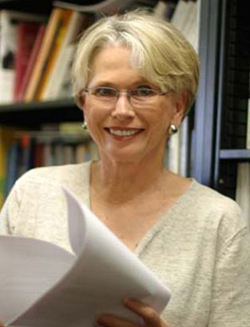 |
| Jeannie Oakes |
This thought is reiterated in "Citizenship in School." For example, take into consideration the story of John Mcgough. John attended a segregated school with others who had Down Syndrome. John's school experience was "stagnant" and lonely because due to tracking, as he was cut off from his community. Because John has Down Syndrome, he was removed from the "normal" population and instead of identified as a person with unique views, thoughts and opinions, he was treated as just another kid with Down Syndrome. John became "a walking pathological syndrome, a mobile defect on the loose." Luckily for John, he was able to move to a new area and was able to integrate himself into the community. But what about those who don't have that option?
Like Oakes writes in her text, "feeling comfortable in class is more than just a nice addition to learning" (179). When students feel like they are seen as valued and accepted participants in their community, they flourish. Much like John did.
"Citizenship in School" reminds us that those with disabilities, like those with Down Syndrome, or any minority group for that matter, want to be seen as individuals before they are seen as stereotypes from their respective minority group.
Juliette Lewis stars in a movie called, "The Other Sister." It is a poignant film about the difficulties a young woman with a mental disability faces in her life. Although, Juliette Lewis does not portray a woman with Down Syndrome, it is still and interesting look into the lives of those who live with mental disabilities.

No comments:
Post a Comment